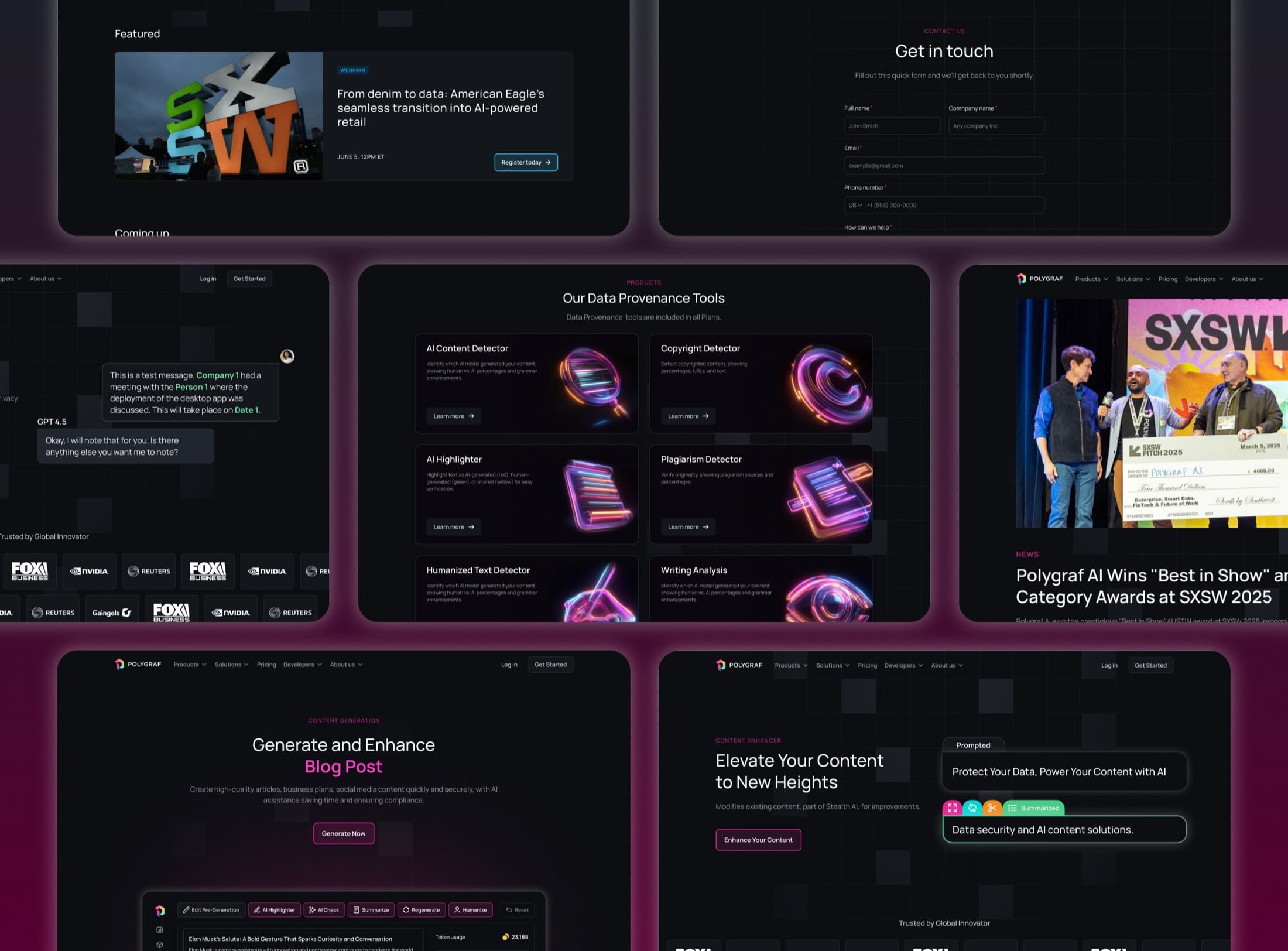
Polygraf AI — Website
I designed and launched Polygraf AI's marketing website to support their pre-funding growth and industry recognition. The SEO-optimized, animation-rich site helped communicate their complex AI security offerings to enterprise audiences.
- Role
- Lead Product Designer
- Timeline
- Oct 2023 — Dec 2024
- Platform
- Marketing website
- Client
- Polygraf AI
- Skills
- Web DesignDesign SystemsSEOMotion
- Monthly visitors
- 200 → 15,000+
- Seed round closed
- $9.5M
Challenge
A pre-funding company with an outdated site
Polygraf AI's existing website was outdated and insufficient for a company entering a critical pre-funding phase. As they prepared to compete at major industry events like SXSW and TechCrunch Disrupt, they needed a modern marketing presence that could clearly communicate their sophisticated Small Language Model (SLM) technology to enterprise decision-makers in defense, finance, healthcare, and insurance sectors. The website needed to be both visually compelling for investors and technically credible for security-conscious enterprise buyers.
Action
One page template, a distinct hero for every product
I designed a comprehensive marketing website optimized for both user experience and SEO performance. Working within tight pre-funding timelines, I created a scalable design system with consistent page layouts that allowed for rapid development while maintaining quality. Almost all pages follow a similar structural pattern, creating familiarity and ease of navigation while each hero section features unique animations and visuals tailored to specific product offerings or use cases.
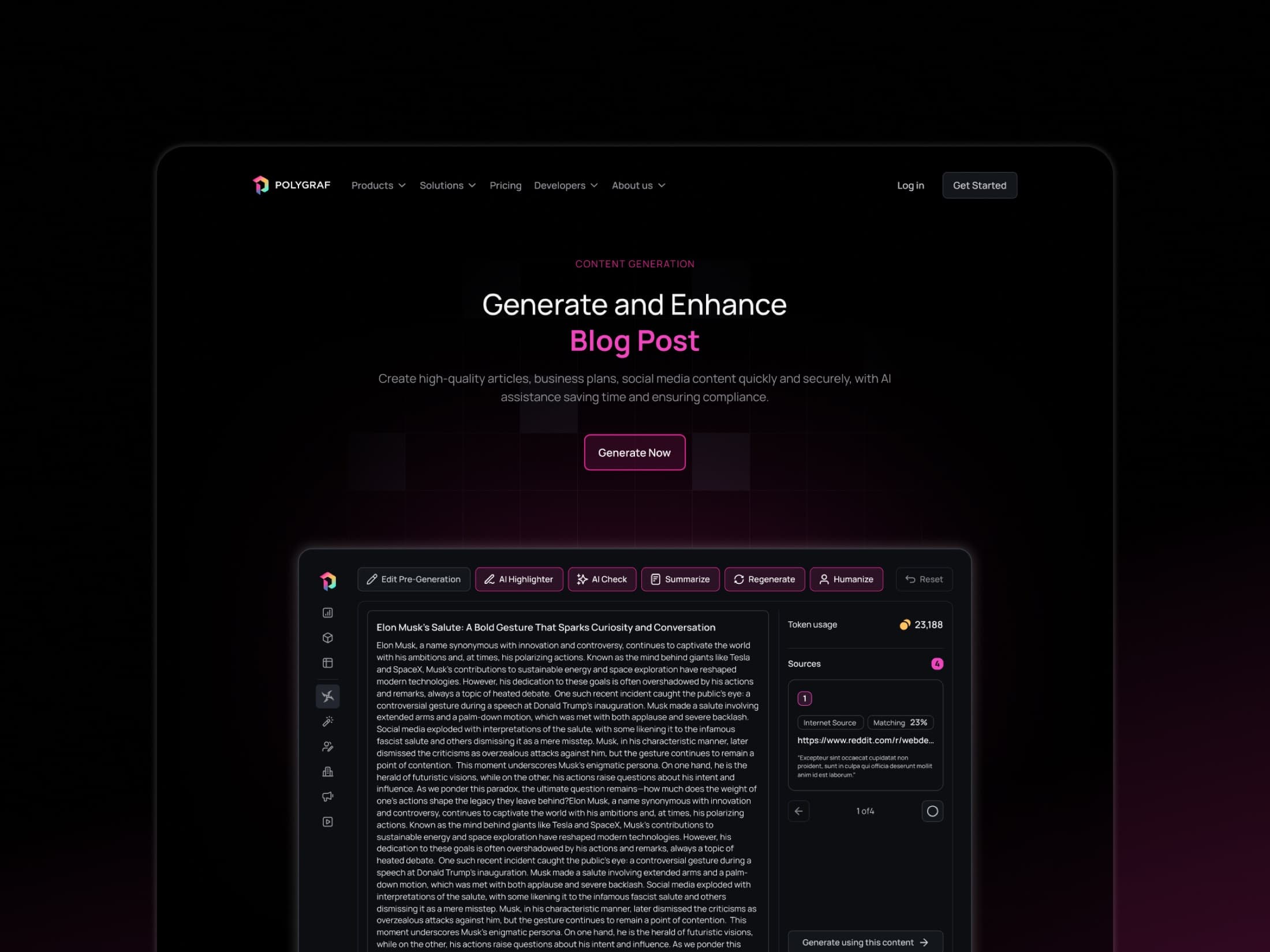
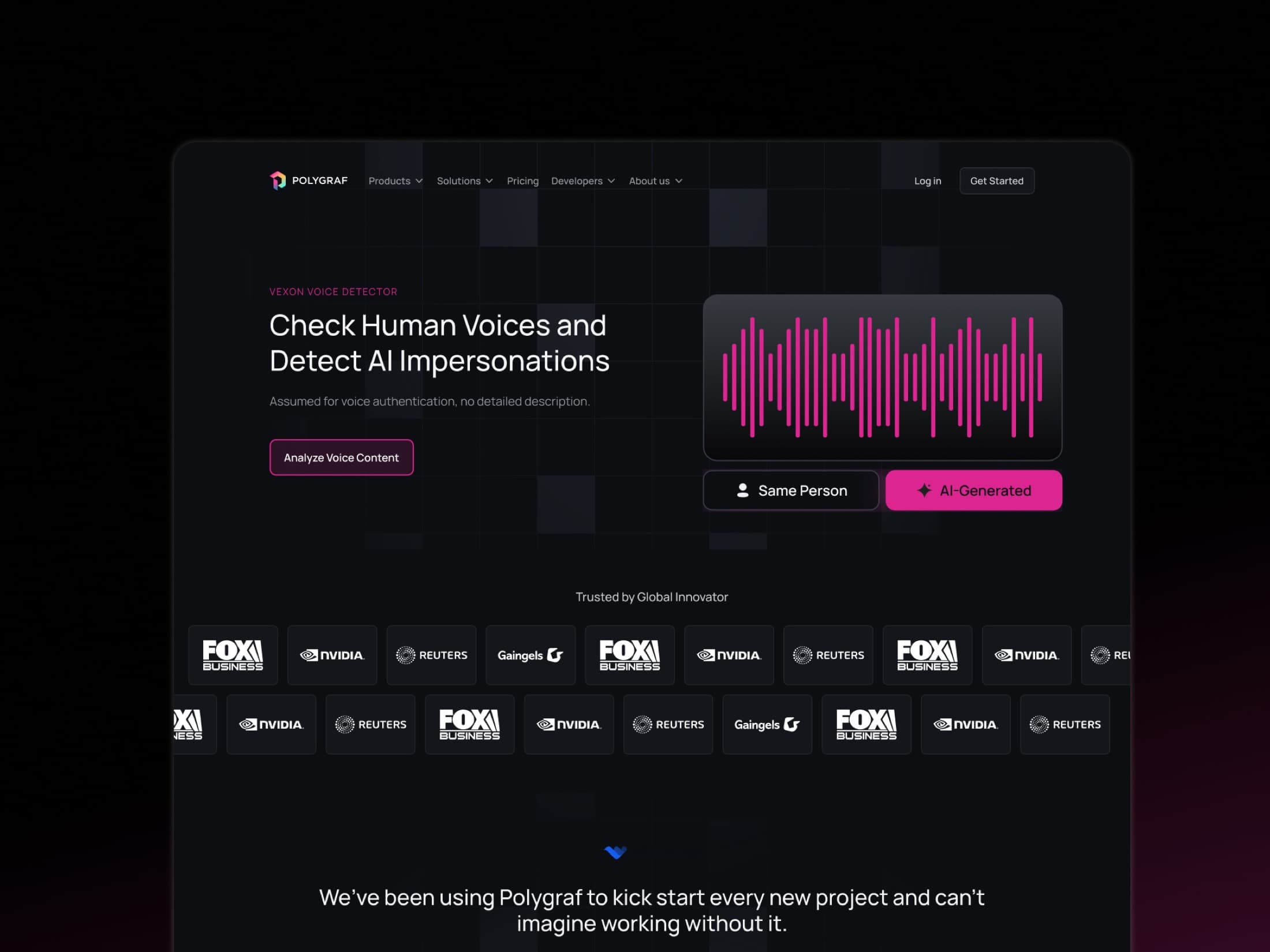
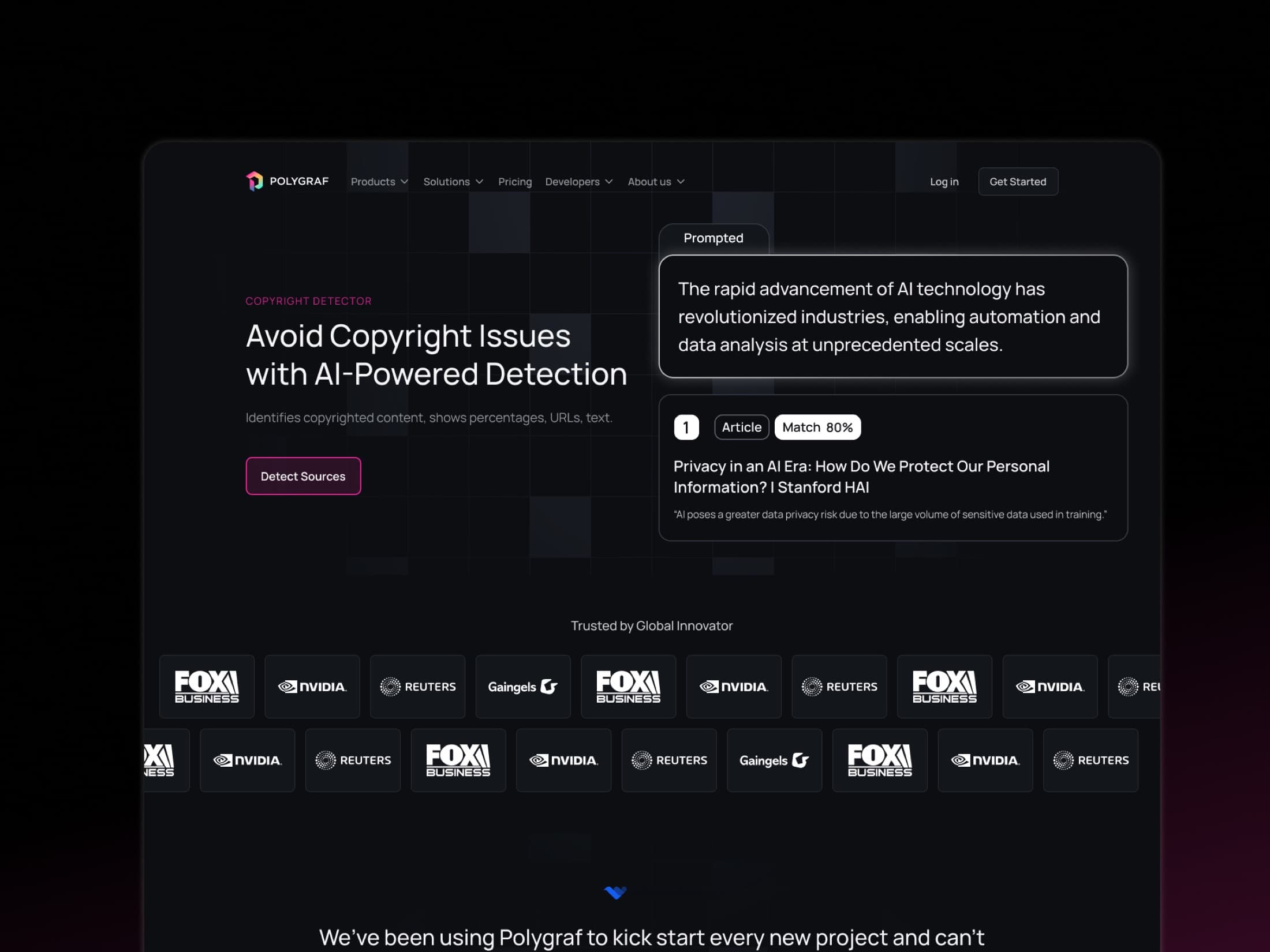
For the visual identity throughout the website, I utilized Midjourney to generate almost all imagery. This AI-powered approach allowed me to create distinctive, professional visuals that represented abstract concepts like data security, enterprise AI, and cyber protection in compelling ways. The AI-generated artwork helped establish a cohesive visual language that differentiated Polygraf AI in the crowded cybersecurity space while maintaining production efficiency during the accelerated pre-funding timeline.
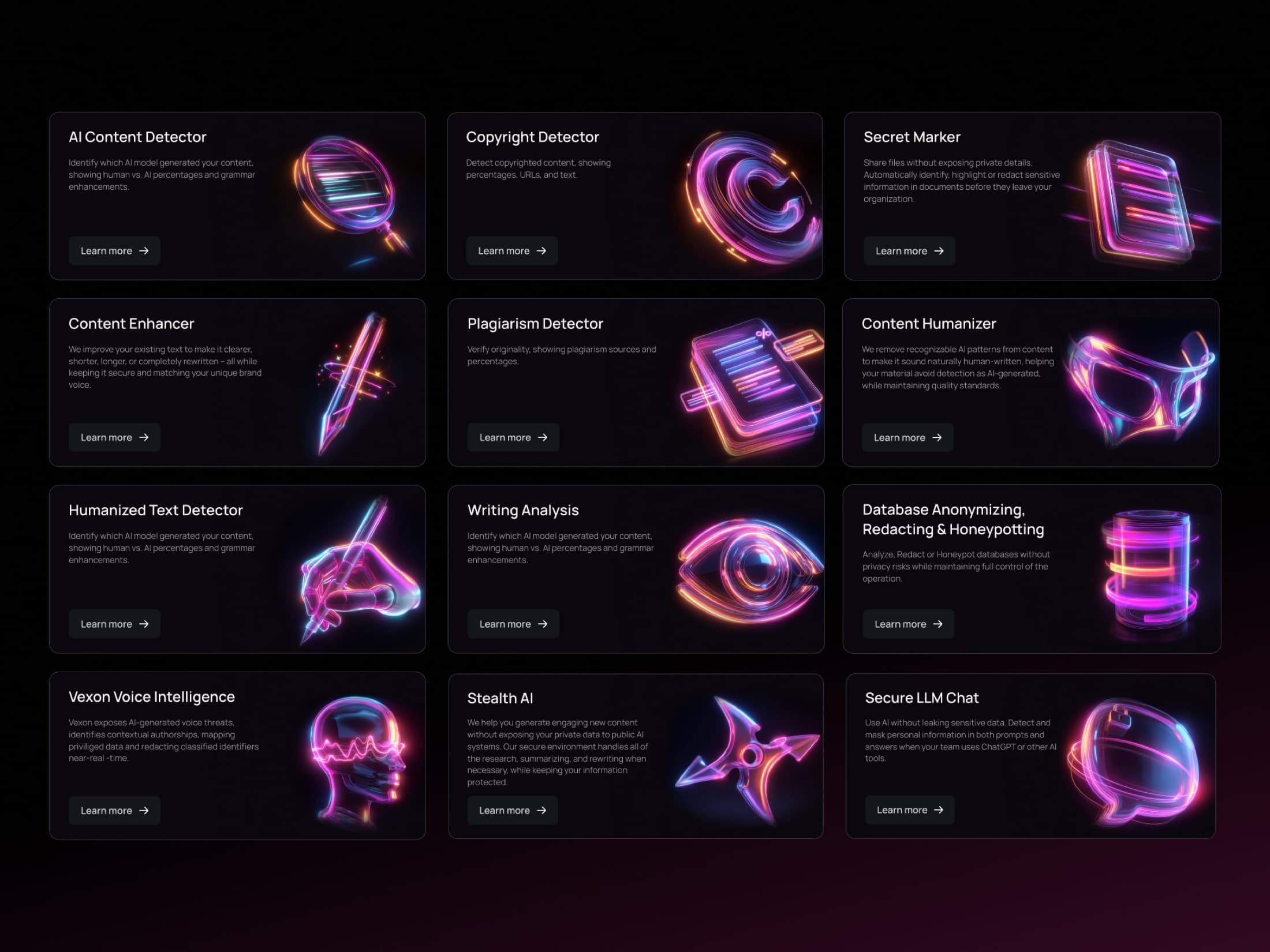
To bring the technical concepts to life, I designed custom animations in Figma and exported them as GIFs, making implementation straightforward for developers while maintaining visual sophistication. These animations helped explain complex AI security concepts—like local deployment, explainable AI, and data provenance—in ways that were immediately understandable to non-technical stakeholders.

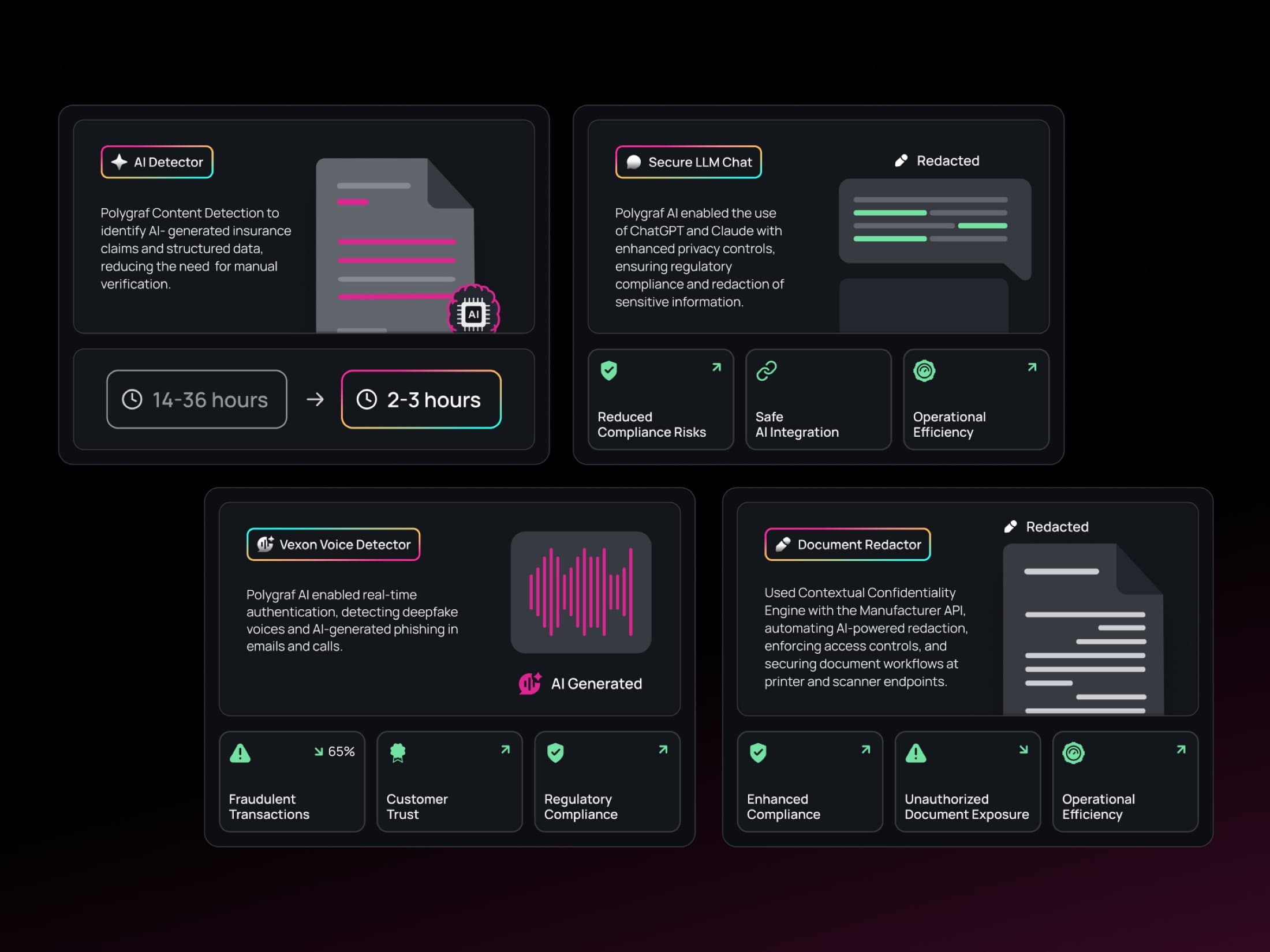
The marketing-focused layout prioritized clear value propositions, customer benefits, and social proof while maintaining the technical depth required for enterprise buyers. I structured content to guide different user journeys—from investors seeking business validation to security teams evaluating technical capabilities.
Result
Launched in June, and used to raise
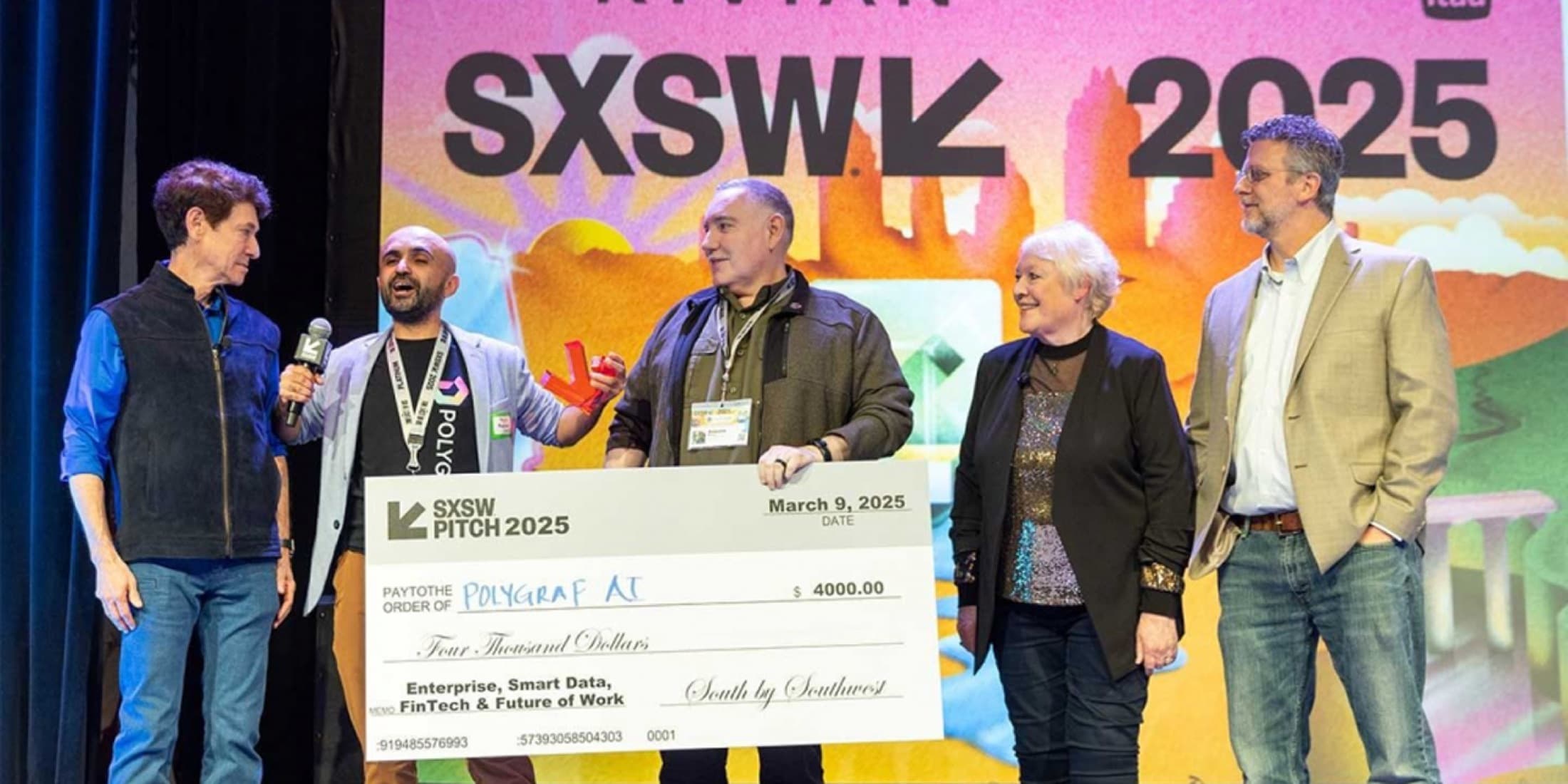
The website launched in June 2025 and became a cornerstone of Polygraf AI's rapid ascent in the AI security space. The professional, credible digital presence directly contributed to their winning Best in Show at SXSW 2025 across multiple categories and being recognized as a Top 10 Cybersecurity Startup at TechCrunch Disrupt 2025's Battlefield 200.
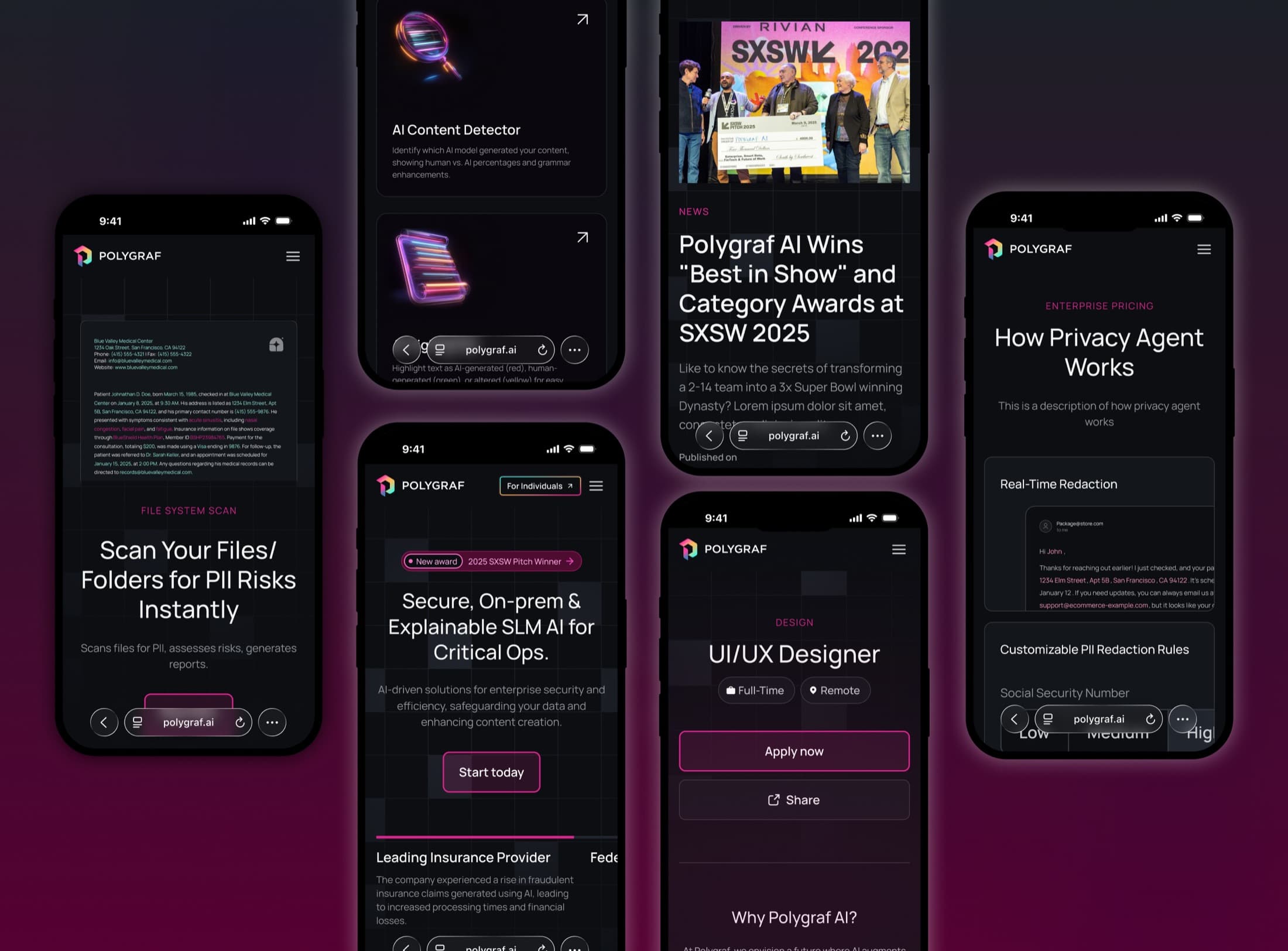
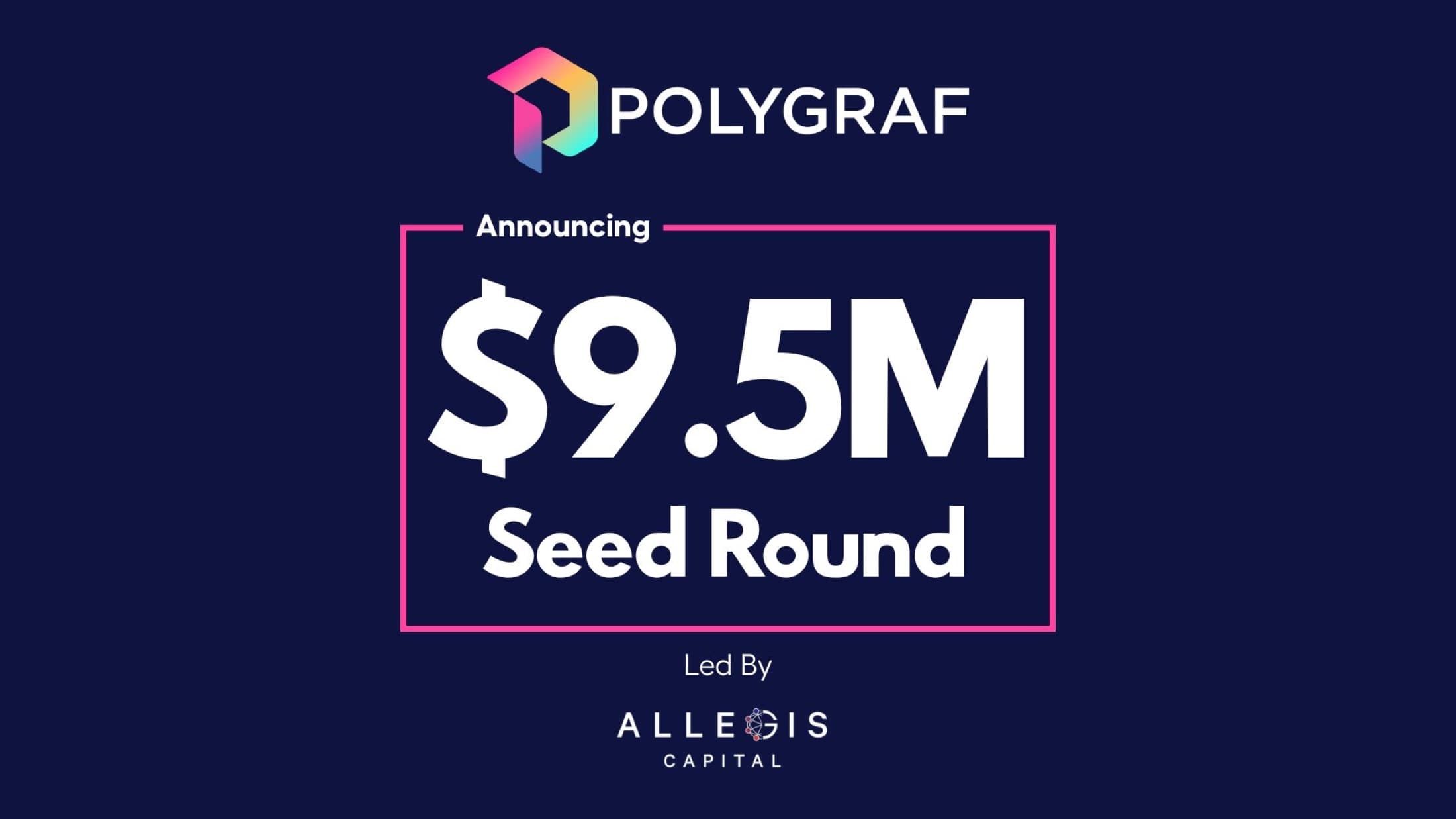
Most significantly, the website played a crucial role in Polygraf AI's successful $9.5M seed funding round led by Allegis Capital. The clear communication of their Small Language Model technology and its applications in defense, finance, and healthcare helped investors understand both the market opportunity and technical differentiation. The SEO-optimized structure and compelling design ensured that when investors, press, and potential enterprise customers researched Polygraf AI, they encountered a polished, credible brand that matched the company's ambitious mission to bring trust and clarity to enterprise AI.

Next project
FROMFOLIO — Redesign